
Understanding the psychology behind gambling behavior at casinos
The Allure of Risk and Reward
The excitement of gambling lies in its inherent risk and potential for reward. Many players are drawn to the thrill of placing a bet, experiencing the rush of adrenaline that accompanies each spin of the slot machine or roll of the dice. This psychological stimulation is rooted in our brain’s reward system, which releases dopamine—a neurotransmitter associated with pleasure and motivation—when we win or even when we anticipate a win. Such experiences can create an addictive cycle, where the excitement of gambling encourages players to return for more, in hopes of replicating those high-stakes feelings. For an exhilarating gaming experience, check out https://goldenstarrcasino.com/, which offers a wide variety of games.
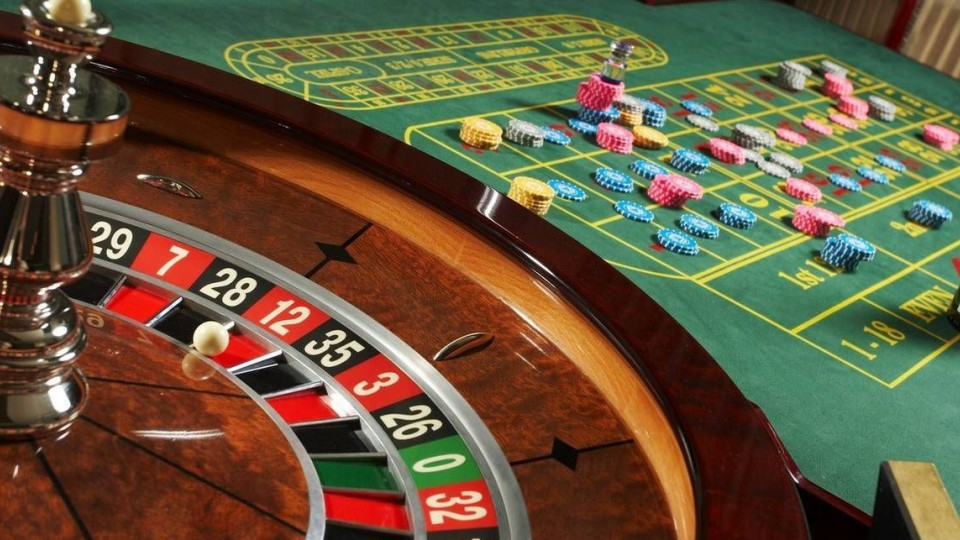
Moreover, the variability in outcomes plays a significant role in gambling behavior. When players experience intermittent rewards—winning sometimes but not always—they are more likely to continue gambling, as the unpredictability keeps them engaged. This phenomenon is often referred to as a “variable ratio reinforcement schedule,” a concept rooted in behavioral psychology. Understanding this aspect can help casino operators design games and experiences that maximize player engagement while also raising awareness of responsible gaming.
The Role of Environment in Gambling Behavior
The environment of a casino significantly influences player behavior. Factors such as lighting, sound, and layout are strategically designed to enhance the gambling experience. Bright lights and captivating sounds create an atmosphere of excitement and anticipation, making it difficult for players to leave. This sensory overload can lead to a distorted sense of time, causing players to lose track of how long they’ve been gambling, thereby increasing the likelihood of spending more money than intended.
Furthermore, the social environment in casinos contributes to gambling behavior. Players often interact with others, whether through friendly competition at a table game or communal celebrations during big wins. This social aspect can enhance the enjoyment of gambling, as individuals feel a sense of belonging and shared excitement. However, it’s important for players to recognize the potential for peer pressure to influence their betting habits and spending limits.
Emotional Factors Influencing Gambling Choices
The emotions players experience can significantly impact their gambling decisions. Many individuals turn to gambling as a means of escape from stress or negative emotions, seeking the thrill of winning to alleviate feelings of anxiety or sadness. This emotional connection to gambling can create a dangerous cycle, where players gamble not just for fun but as a coping mechanism for life’s challenges, potentially leading to problematic behavior.
Additionally, the psychology of loss aversion plays a crucial role in gambling. Players often feel the pain of a loss more acutely than the joy of a win, which can lead them to chase their losses in an attempt to recover what they’ve spent. This behavior can result in significant financial consequences, as players may find themselves trapped in a cycle of gambling in pursuit of a “big win” that seems just out of reach. Awareness of these emotional factors is essential for understanding the complexities of gambling behavior.
The Impact of Cognitive Biases on Gambling Decisions
Cognitive biases are systematic patterns of deviation from norm or rationality in judgment, and they are prevalent in gambling behavior. One common bias is the illusion of control, where players believe they can influence the outcome of a game through skill or strategy. This belief can lead to overconfidence and increased betting, often resulting in greater losses. Recognizing this bias can help players make more informed decisions rather than relying on misconceptions about their abilities.
Another cognitive bias is the gambler’s fallacy, where individuals mistakenly believe that past outcomes affect future results in a random game. For instance, if a player experiences several losses in a row, they may feel that a win is “due,” leading them to bet more heavily. Understanding these biases can empower players to approach gambling with a more rational mindset, potentially reducing the risk of compulsive behavior and fostering healthier gaming practices.

Golden Star Casino: Promoting Responsible Gambling
At Golden Star Casino, the focus is on providing a safe and enjoyable gaming experience while promoting responsible gambling. With a wide selection of over 2,500 games, players are encouraged to engage in a thrilling environment while being mindful of their betting habits. The platform prioritizes player security through robust verification processes, ensuring that every gamer can enjoy their experience with peace of mind.
Additionally, Golden Star Casino offers resources to help players maintain control over their gambling activities. By providing information on responsible gaming practices and access to support services, the casino aims to create a balanced atmosphere where excitement and safety coexist. Understanding the psychology behind gambling behavior is crucial for both players and operators, and Golden Star Casino is committed to fostering an environment that emphasizes healthy gaming habits.